Overview
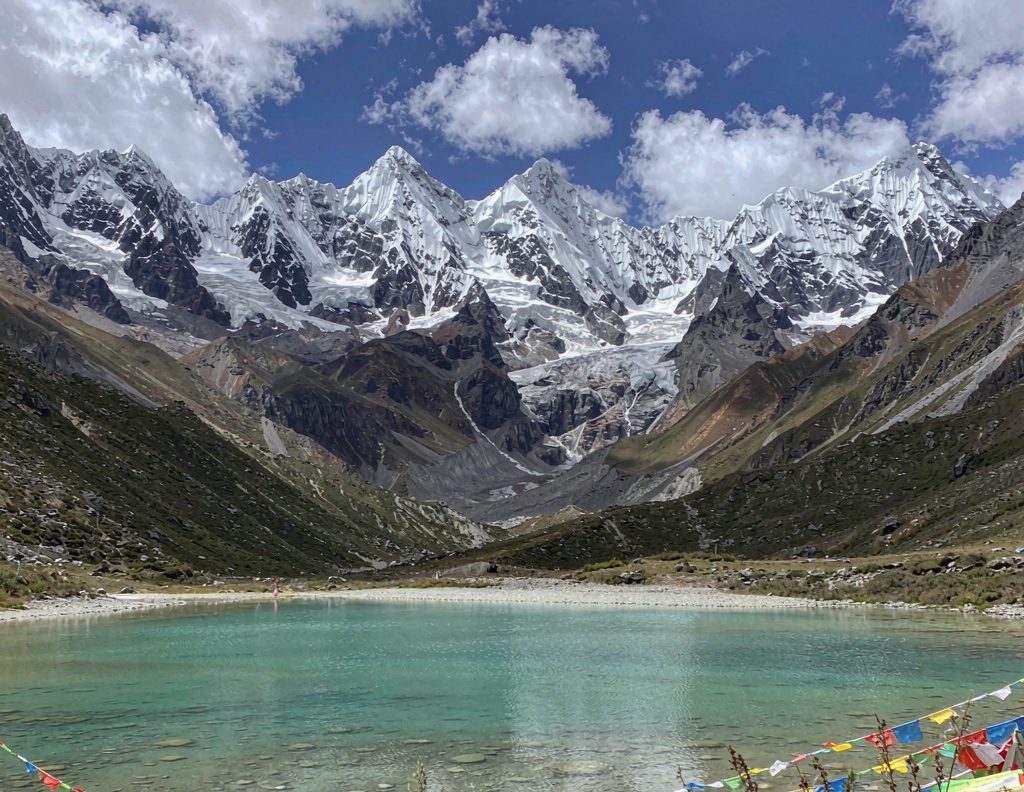
Mount Siguniang — the Four Sisters Mountain — is the highest peak complex within reach of Chengdu, and the closest thing China has to the Alps. Its main summit, Yaomei Feng, rises to 6,250 metres; the three sister peaks behind it are all above 5,000.
This three-day trip treks the two valleys that give access to the massif. Shuangqiao Valley is the most accessible: a 34-kilometre glacial valley with boardwalks, hanging glaciers, and the Potala Peak and Five-Colour Mountain formations. Changping Valley is wilder and older — a forested glacial trough with the north face of Yaomei Feng at its head, walked on a combination of boardwalk and trail.
The walking is moderate to demanding, at altitudes between 3,200 and 3,800 metres, and it is not technical — no ropes, no scrambling. What it requires is fitness and a willingness to spend long days on foot. For anyone considering an attempt on one of the peaks themselves, this is the right way to see the mountain first.
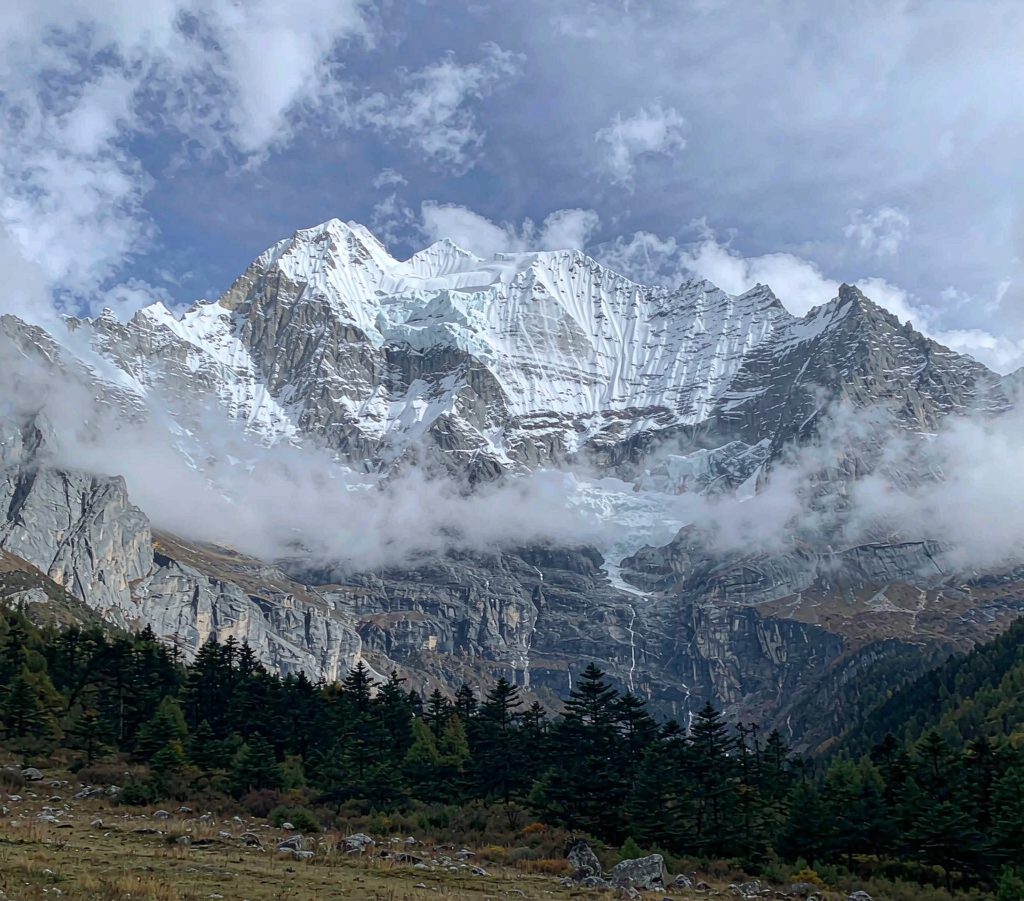
- The Four Sisters massif, with Yaomei Feng at 6,250 m
- Shuangqiao Valley's hanging glaciers and the Potala Peak rock formation
- Changping Valley's old-growth forest with the north face of Yaomei Feng at its head
- Alpine meadows and wildflower fields in the summer months
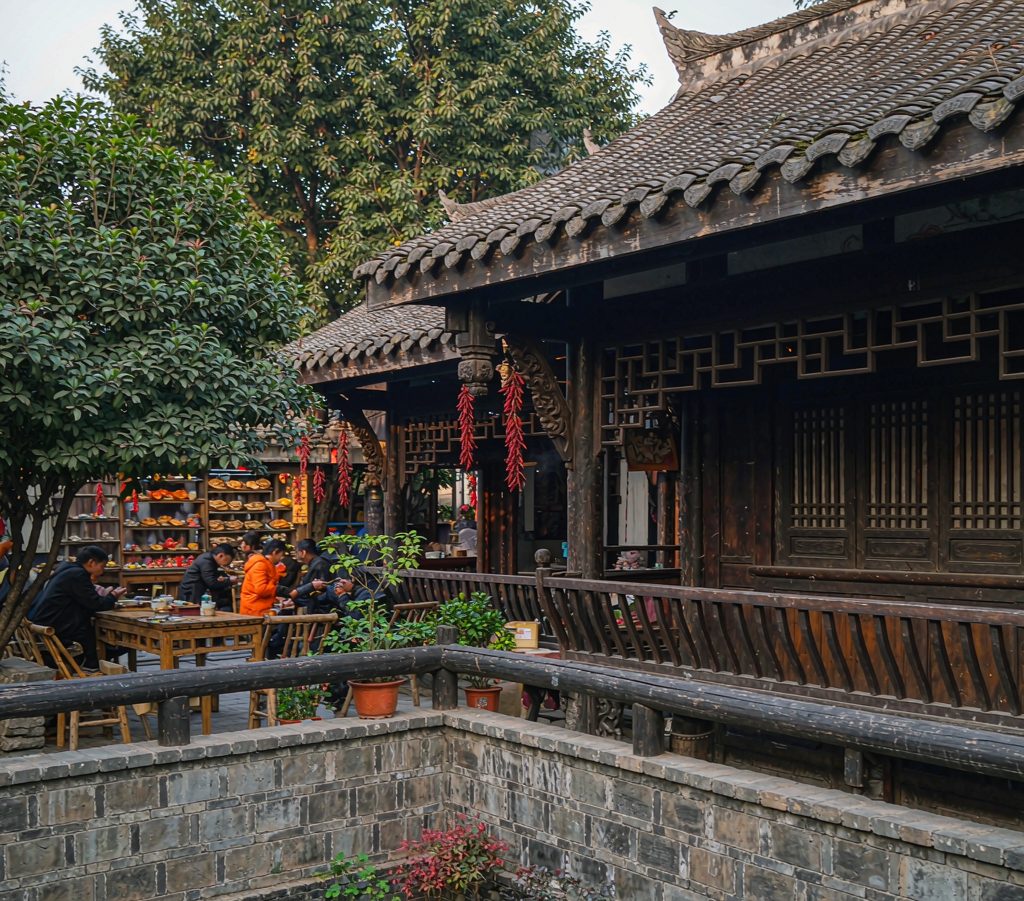
- Rilong, the Tibetan town at the foot of the mountain
- Optional extension for a summit attempt on Dafeng or Erfeng
Itinerary
-
1 Chengdu to Rilong via the Balang Mountain Pass
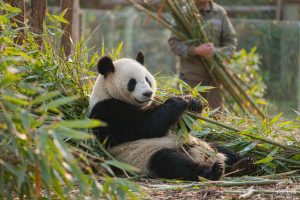
Lunch, Dinner Rilong, 3-star hotel or guesthouse (3,160 m)07:00 - Departure: A five-hour drive west from Chengdu, climbing out of the Sichuan basin and up through the Wolong panda reserve — the largest of the giant panda reserves, and the landscape the animals actually live in.
11:00 - Balang Mountain pass: At 4,480 metres, with views back over the cloud filling the basin and, on clear days, west to the Minya Konka range. We stop for the view and to let everyone adjust to the gain in altitude, which happens fast on this road.
12:30 - Lunch: In a Tibetan-run restaurant on the descent toward Rilong.
14:30 - Rilong: Arrival at 3,160 metres, the Tibetan town that serves the massif. It is a scruffy, functional place of guesthouses, gear shops and yak-meat restaurants, and it exists entirely because of the mountain.
16:00 - Acclimatisation walk: A gentle hour on the hillside above town, with the first clear view of the Four Sisters — and specifically of Yaomei Feng, the youngest sister and the only one over 6,000 metres, whose north face is a 1,500-metre wall of rock and ice.
18:00 - Dinner and briefing: Your guide explains the next two days, the route options, and what the weather is doing.
Important: Do not overdo this first afternoon. You have gained 2,500 metres since breakfast.
-
2 Shuangqiao Valley
Breakfast, Lunch, Dinner Rilong, 3-star hotel or guesthouse (3,160 m)08:00 - Into the valley: A short transfer to the entrance of Shuangqiao Valley, which runs 34 kilometres west into the massif. The park shuttle takes you up the valley and stops at the main viewpoints, so the walking is in sections rather than continuous.
09:00 - Five-Colour Mountain: The first major stop, a ridge of folded rock whose bands of colour come from the minerals in each layer, stained orange, grey and green. Directly behind it is the Potala Peak, a granite formation that genuinely resembles the Potala Palace in Lhasa.
10:30 - Hunianping: The valley floor here is alpine meadow grazed by yaks, with the Nyimala Gongga glacier coming down the opposite slope. Boardwalks run through the meadow and there is a small herders' settlement.
12:30 - Lunch: At a simple canteen in the valley, or a packed lunch taken down to the river.
14:00 - Renping and the glacier: The upper end of the accessible valley, at around 3,800 metres, with the hanging glaciers on the north side of the Four Sisters massif directly ahead. This is the closest most visitors get to the ice and the best viewpoint on the whole trip for the sheer scale of the mountain.
16:30 - Return to Rilong.
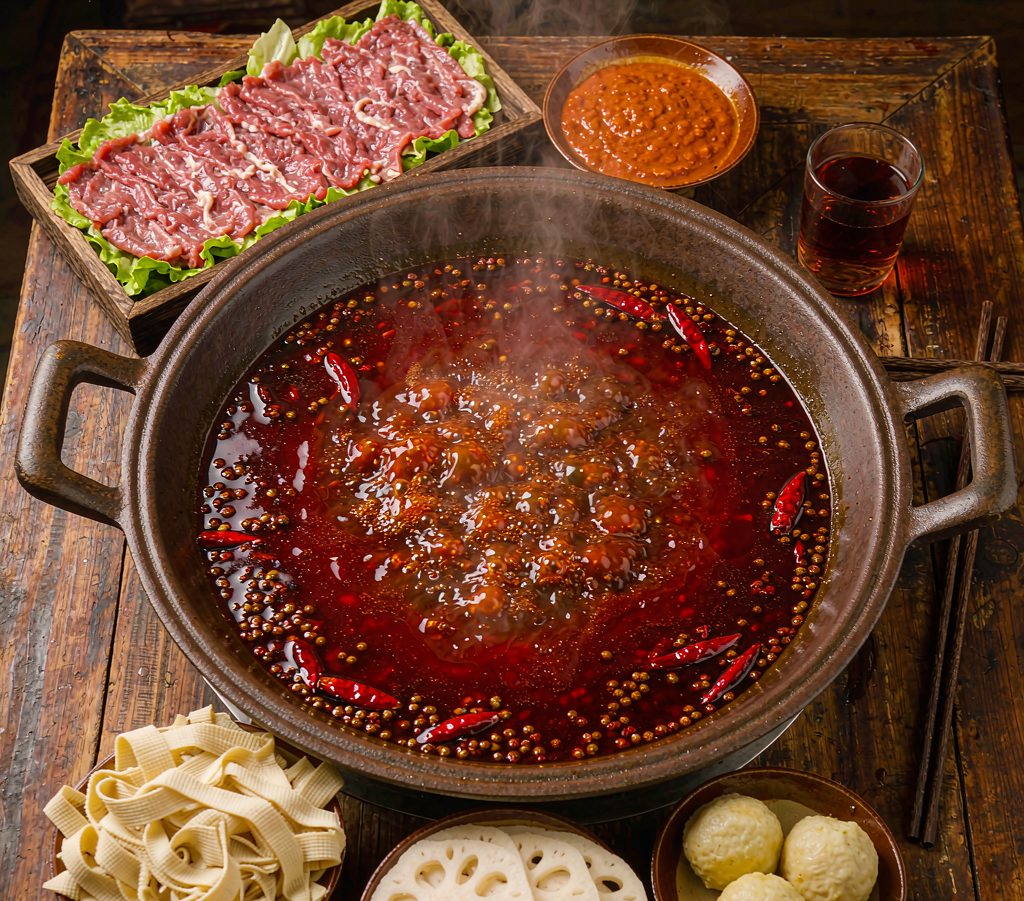
Evening: Dinner in town. The local speciality is yak hotpot, which after a day on the mountain is exactly right.
-
3 Changping Valley & Return to Chengdu
Breakfast, Lunch Not included07:30 - Changping Valley: The wilder of the two valleys and, for many people, the better one. It is a classic glacial trough — steep walls, a flat floor, a river braided across it — and its floor is covered in old-growth spruce and fir with lichen hanging from every branch.
08:30 - The walk: The route alternates between a plank boardwalk and a dirt trail, running about 12 kilometres to the upper pasture at 3,760 metres. Most groups walk the first seven kilometres to the Lama Temple, a small monastery in the forest, and back — around four hours in total, mostly level, with the north face of Yaomei Feng appearing at the head of the valley as the trees thin out.
12:30 - Lunch: Packed, eaten on the valley floor with the mountain at the end of it.
14:00 - Departure: Back through Rilong and over the Balang Mountain pass, with the afternoon light on the peaks the other way.
20:00 - Chengdu: Arrival, and drop-off at your hotel, the airport or the railway station.
Practical note: If you want to attempt Dafeng (5,025 m) or Erfeng (5,276 m) — the two non-technical summits that a fit walker can reach with a guide — this trip can be extended by two days with a night at the 4,200-metre base camp. Tell us at booking so we can arrange certified mountain guides and permits.
Gallery

What's included
- 2 nights at a 3-star hotel or guesthouse in Rilong
- Daily breakfast plus 2 lunches and 2 dinners
- English-speaking guide and, for the technical extension, a certified mountain guide
- Private 4WD vehicle with driver from and to Chengdu
- All entrance fees and internal shuttle buses in Shuangqiao and Changping valleys
- Trekking poles, gaiters and rain ponchos
- Oxygen canisters carried by the guide
- Chengdu hotel pick-up and drop-off
- All road tolls and parking
Not included
- Flights and trains to and from Chengdu
- Most dinners
- Travel insurance — must cover mountain trekking and rescue
- Tips for guide and driver
- Personal expenses and hotel incidentals
- Technical climbing permits and equipment for a summit attempt