Overview
Two of Sichuan's essentials in one well-paced day, with no rushing and no shopping stops.
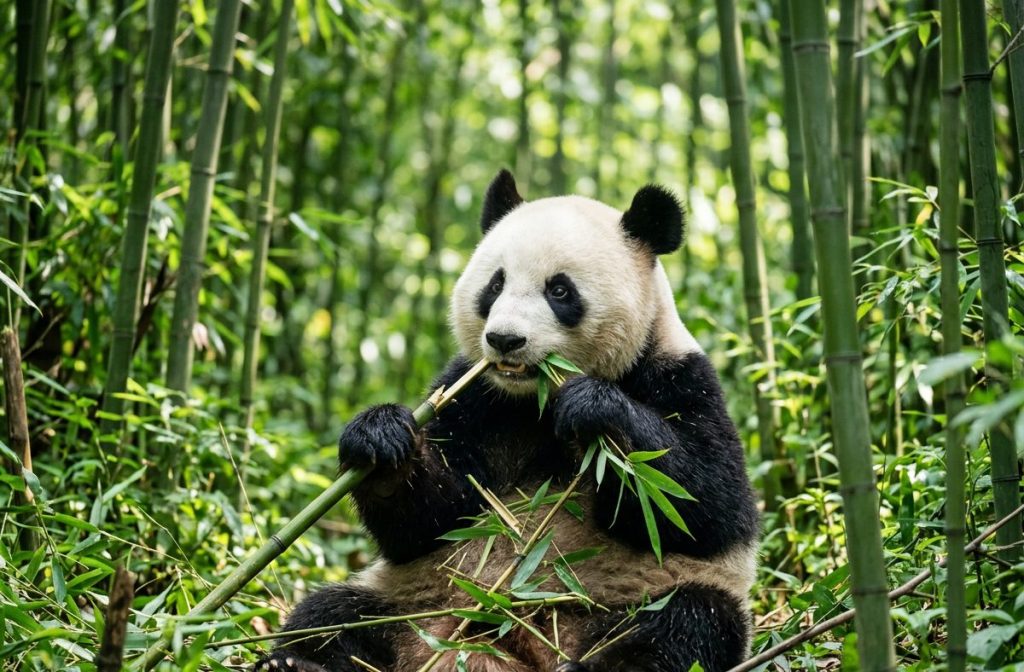
The morning belongs to the giant pandas at the Chengdu Research Base of Giant Panda Breeding, timed for the morning feed when the animals are genuinely active rather than asleep in the shade. You will see adults, sub-adults and — depending on the season — cubs in the nursery, along with the red pandas in their own enclosures.
The afternoon moves an hour northwest to Dujiangyan, the oldest surviving irrigation system in the world still in use. Built around 256 BC by the Qin engineer Li Bing and his son, it divides the Min River between irrigation and flood control without a single dam or gate — the works regulate themselves through their geometry. It is why the Chengdu plain has been called the Land of Abundance for two thousand years.
This is the easiest of our Chengdu day tours and suits families, travellers on a tight schedule, and anyone arriving or departing the same day.
- Chengdu Research Base of Giant Panda Breeding at morning feeding time
- Red pandas in their own enclosures, often overlooked and always active
- Dujiangyan irrigation system — 2,300 years old and still regulating the Min River
- The Suspension Bridge across the Min and the Dragon-Taming Temple
- Erwang Temple on the hillside with the best view over the whole works
- No shopping stops, and a pace that never feels hurried
Itinerary
-
1 Panda Base in the Morning, Dujiangyan in the Afternoon
Lunch Not included07:30 - Pick-up: Your guide collects you from your central Chengdu hotel. We aim to reach the panda base as it opens, which is the single most important decision in this itinerary — by ten in the morning the animals have eaten and gone to sleep, and late arrivals see bamboo-coloured heaps in the shade rather than pandas.
08:15 - Chengdu Research Base: More than 200 giant pandas live here, in enclosures planted with the bamboo species they eat in the wild. In the early hours they feed, climb, roll and wrestle, and the nursery — open depending on the season — holds the year's cubs at their most chaotic. Your guide knows which enclosures are active and in what order to visit them.
10:30 - Red pandas: Smaller, rust-coloured and much more active than the giants, in their own set of enclosures that many visitors walk straight past.
12:00 - Lunch: A restaurant near the base serving Sichuan home cooking — lighter than the city-centre version, with mapo tofu, stir-fried greens and a clear soup.
13:30 - Dujiangyan: An hour northwest, on the Min River. The system was built around 256 BC and has been maintained continuously ever since. Its three components — the Fish Mouth levee that splits the river, the Flying Sand Weir that discharges excess water and silt, and the Bottle-Neck Channel that controls the flow into the Chengdu plain — work together so that the system is self-regulating. There is no dam, no gate and no machinery. The plain it irrigates has supported more people for longer than almost anywhere else on earth.
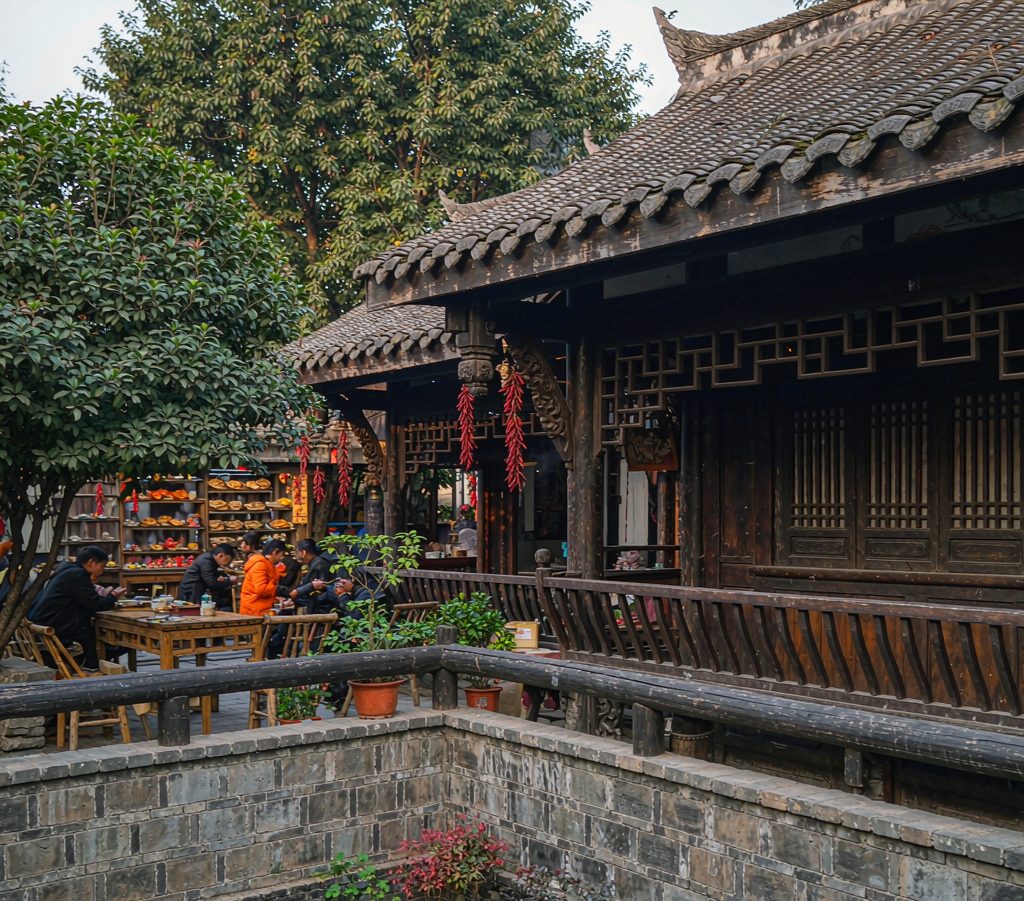
15:00 - The walk: We cross the 500-metre Suspension Bridge over the Min, then follow the path along the inner channel past the Dragon-Taming Temple to the Erwang Temple on the hillside, built to honour Li Bing and his son and giving the best view over the entire works.
17:00 - Return: Transfer back to Chengdu, arriving around 18:00.
Gallery
What's included
- Hotel pick-up and drop-off in central Chengdu
- English-speaking local guide
- Private air-conditioned vehicle with driver
- Chengdu Panda Base entrance fee and golf-cart transfer inside the park
- Dujiangyan entrance fee and internal shuttle bus
- Lunch at a local restaurant
- Bottled water
Not included
- Hotel accommodation
- Dinner and alcoholic drinks
- Tips for guide and driver
- Travel insurance and personal expenses
- Optional panda-keeper volunteer programme
- Dujiangyan chairlift if the walking route is not preferred