Overview
Sichuan cooking is the most sophisticated regional cuisine in China, and it has almost nothing to do with the versions served abroad. The heat is real, but it is not the point. The point is the numbing Sichuan pepper — hua jiao, which sets your mouth tingling so that the chilli reads as flavour rather than pain — and the layering of sweet, sour, salty and fermented notes underneath it.
This two-day tour is built around eating properly. There is a hotpot dinner with a guide who explains the dipping order and what the oil bowl is for, a morning in an old teahouse where the city's retirees have been sitting since before dawn, a street-food crawl through the lanes, and a hands-on cooking class in a courtyard kitchen where you make three classic dishes yourself.
Between meals there is the Chengdu that makes it worth staying: the Wide and Narrow Alleys, the People's Park, and a Jinli or Wuhou Shrine visit if you want one. It is the most efficient two days you can spend in the city.
- Sichuan hotpot dinner with a guide who explains what you are eating and why
- Morning in an old teahouse with the city's regulars
- Hands-on Sichuan cooking class — mapo tofu, twice-cooked pork, kung pao
- Street-food crawl: dan dan noodles, zhong dumplings, sweet water noodles
- Wide and Narrow Alleys and the People's Park
- A proper explanation of hua jiao, the numbing Sichuan pepper
Itinerary
-
1 Teahouse Morning, Wide & Narrow Alleys, Hotpot
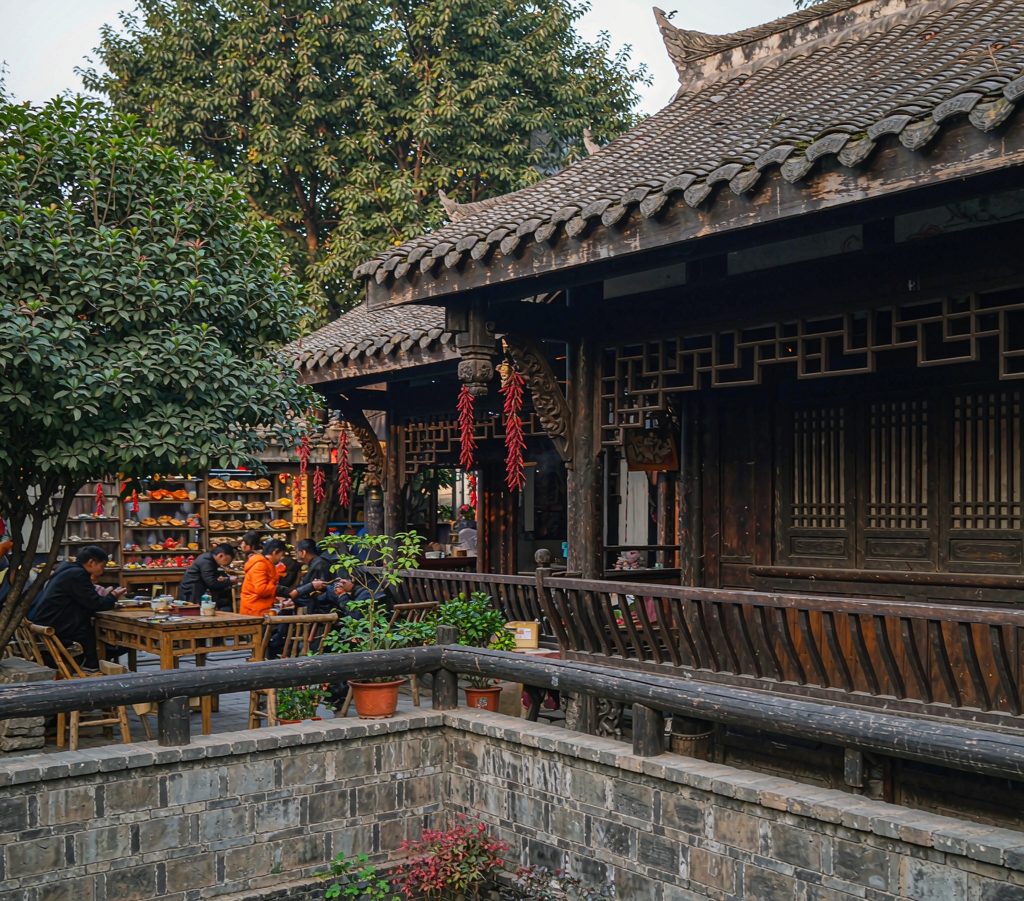
Lunch, Dinner (hotpot) Chengdu, 4-star hotel09:00 - Teahouse: We start where Chengdu starts. Heming Teahouse in the People's Park has been operating for more than a century, and by mid-morning every bamboo chair under its plane trees is taken by people who have been there since seven. You order a covered-bowl tea of jasmine or green, and the waiter comes around every few minutes with a long-spouted kettle to top you up without moving a thing. Chengdu's teahouse culture is not a performance for visitors — it is where the city talks, plays cards, naps and has its ears cleaned by the roving ear-pickers with their tuning forks and feathered probes.
11:00 - The People's Park: A walk through the rest of it — the matchmaking corner where parents post advertisements for their adult children, the groups dancing to portable speakers, and the hand-calligraphy on the paving.
12:30 - Lunch: Proper Sichuan, and not the tourist version. Dan dan noodles with sesame and preserved mustard greens, zhong dumplings in chilli oil and sweet soy, and a cold poached chicken with a sauce built on chilli, vinegar and garlic. Your guide explains the málà principle — numbing plus hot — and why hua jiao is not optional in this cuisine.
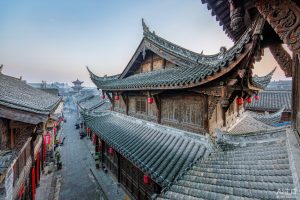
14:30 - Wide and Narrow Alleys: Two parallel Qing-dynasty lanes of courtyard houses, rebuilt and commercialised but still the best place to see the old courtyard architecture at close quarters. We use it as a walking route rather than a destination.
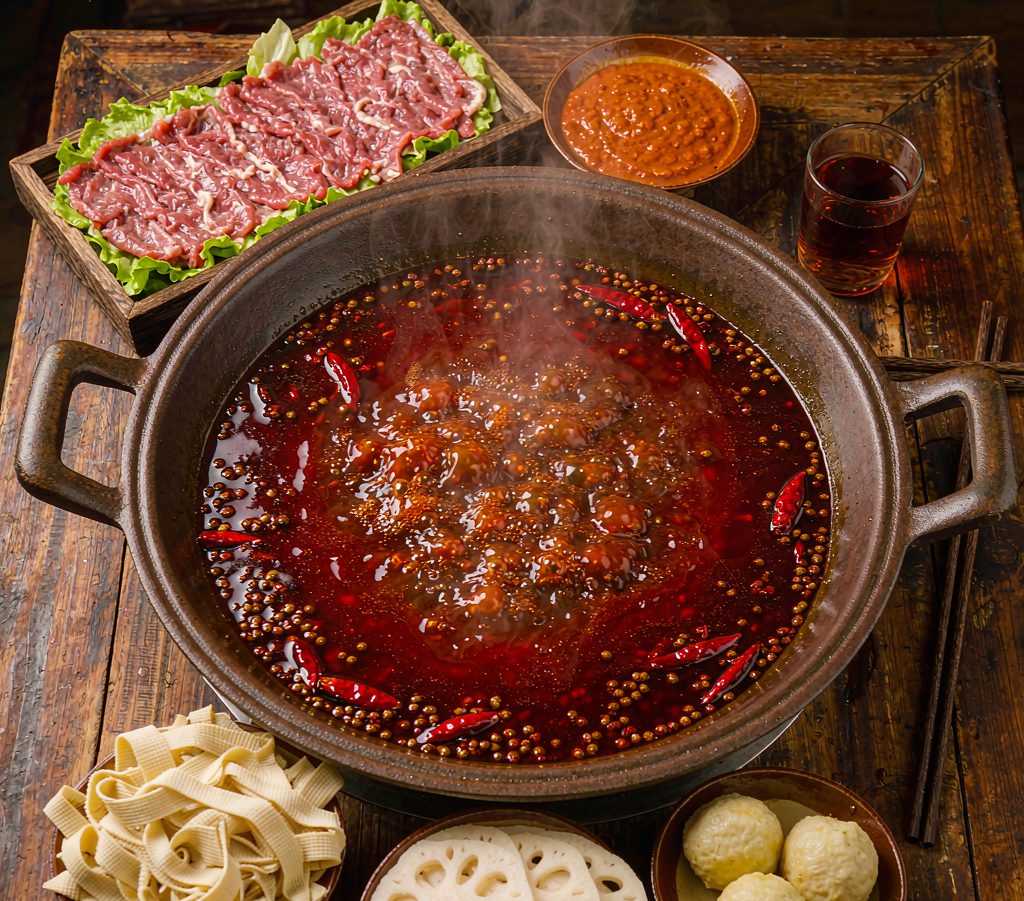
19:00 - Hotpot: The main event. A pot of red-oil broth, heavy on chilli and hua jiao, and another of clear broth for the vegetables and anyone who needs relief. Your guide orders and explains: what goes in first, how long each ingredient takes, why you dip cooked food in a bowl of sesame oil and garlic rather than letting it drip, and when to switch to the clear side. The dishes arrive in a specific order and the meal runs two hours.
-
2 Market, Cooking Class & Street Food Crawl
Breakfast, Lunch (cooking class) Not included09:00 - Wet market: The best possible introduction to Sichuan cooking. Stalls of chilli in a dozen varieties, hua jiao by the sack, pickled mustard tubers, broad-bean paste in earthenware jars, cured pork belly hanging in strips, live fish in plastic tubs and more varieties of green than a supermarket would stock. Your guide introduces you to the vendors you will be buying from today and explains what each ingredient does.
10:30 - Cooking class: In a courtyard kitchen a short walk from the market. You cook three dishes under instruction: mapo tofu, which is the truest test of a Sichuan cook and depends on the bean paste, the hua jiao and the cornstarch slurry; twice-cooked pork, with pork belly simmered then stir-fried with leeks and fermented black beans; and a dry-fried green bean or a kung pao depending on the season. You eat the results with rice, and you get the recipes to take home.
13:30 - Street-food crawl: The rest of the afternoon on foot through the old lanes, working through the snacks that define Chengdu eating: sweet water noodles with a dark sweet-and-savoury dressing, three-copper-chop potatoes fried with chilli and coriander, guokui flatbreads stuffed with pork or beef, and douhua — silken tofu pudding served here with chilli oil rather than the sweet syrup used elsewhere.
16:30 - Departure: Transfer to your hotel, Tianfu or Shuangliu airport, or the railway station.
Practical note: If you want to see the Sichuan opera's face-changing, your guide can book it — it is touristy, and the fire-spitting and the bianlian mask changes are genuinely impressive regardless.
Gallery


What's included
- 1 night at a 4-star hotel in central Chengdu
- Daily breakfast, 1 hotpot dinner, 1 lunch and the cooking class meal
- English-speaking guide with genuine knowledge of Sichuan cuisine
- Private vehicle and driver, plus metro and taxi fares as needed
- All cooking-class ingredients, apron and recipe sheets
- Street-food tastings at four or five stops
- Teahouse seating and tea
- Hotel pick-up and drop-off
Not included
- Flights and trains to and from Chengdu
- Most meals beyond those listed
- Alcoholic drinks
- Travel insurance and visa fees
- Tips for guide and driver
- Optional Sichuan opera and face-changing show