Overview
Sichuan gives you two things in unusual concentration: the giant pandas of the Chengdu Research Base, and a landscape of old towns that survived the twentieth century more or less intact.
This four-day trip pairs them. Mornings go to the animals and the big sites — the panda base at opening time when the animals are actually awake and feeding, and the Leshan Giant Buddha, a 71-metre figure carved out of a riverside cliff over ninety years from 713 AD. Afternoons go to the towns: Huanglongxi, with its wooden shophouses and a water channel running down the main street, and Jiezi or Anren, both of which keep the courtyard architecture and the pace of an older Sichuan.
It is a gentle trip, entirely at low altitude, with short drives and no walking that would trouble anyone. Families do well on it, and it is the best introduction to the province for a first visit.
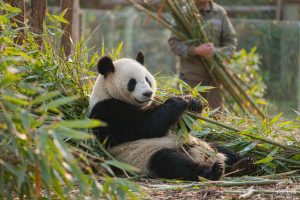
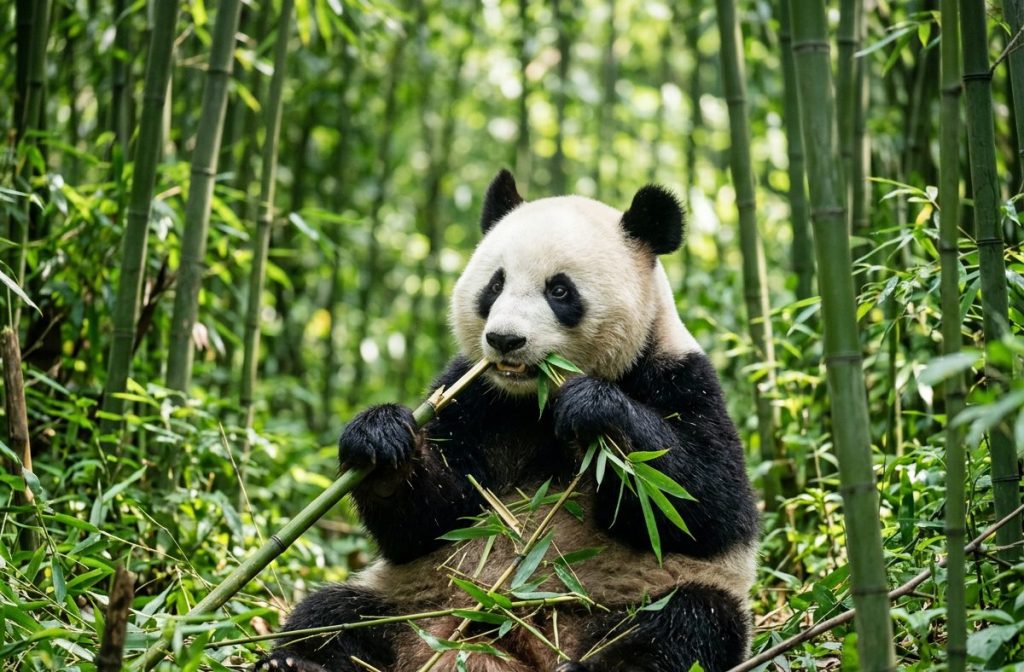
- Chengdu Research Base of Giant Panda Breeding at morning feeding time
- Leshan Giant Buddha, the largest stone Buddha in the world at 71 m
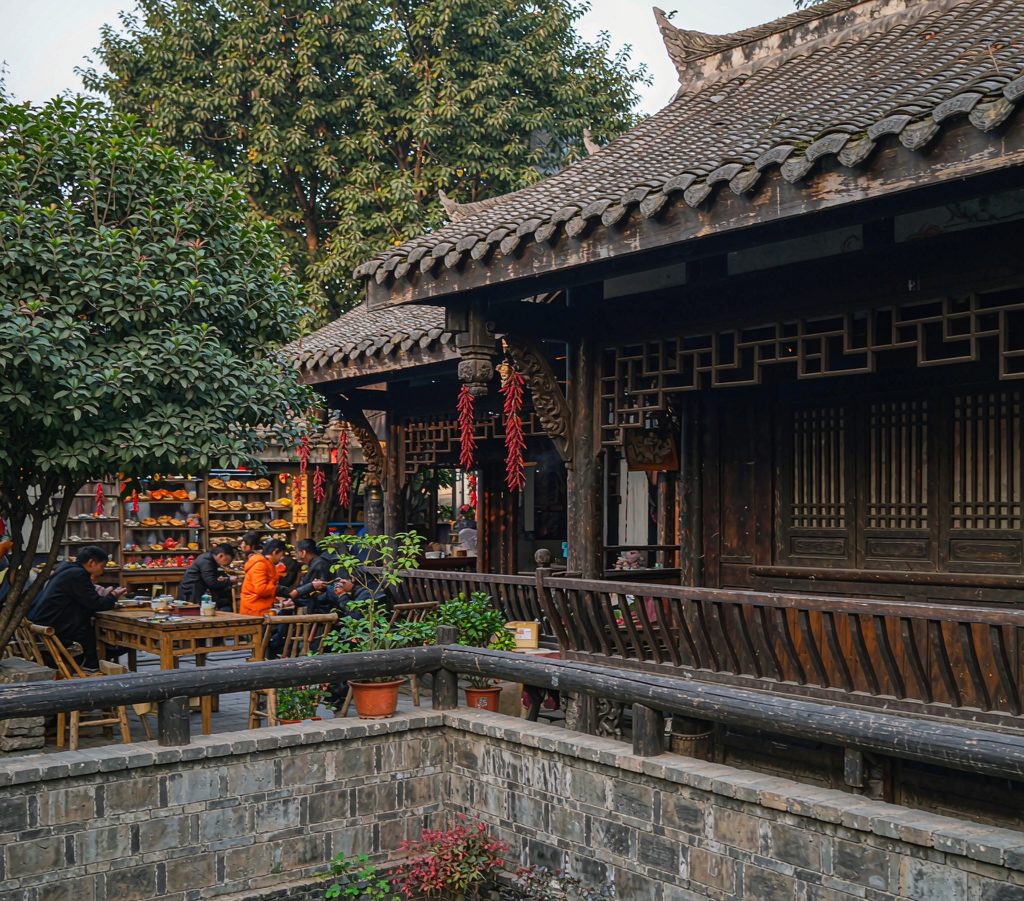
- Huanglongxi ancient water town with its central water channel
- Dujiangyan, a 2,300-year-old irrigation system still in use
- Anren's Qing-dynasty mansions and the Jianchuan Museum Cluster
- Sichuan meals throughout, including the Leshan local specialities
Itinerary
-
1 Arrival in Chengdu & Jinli Ancient Street
Dinner Chengdu, 4-star hotelAfternoon: Meet your guide at Tianfu (TFU) or Shuangliu (CTU) airport and transfer to the hotel. Chengdu sits at around 500 metres on the western edge of the Sichuan basin, and the flatness and the greenery are the first things you notice.
Late afternoon: Jinli Ancient Street, alongside the Wuhou Shrine — a recreated Qing-dynasty street of wooden buildings, lanterns and food stalls. It is commercial, but the food is real and the architecture is a good primer for the towns you will see over the next three days. Try the three-copper-chop potatoes, the sugar-blown figurines, and the douhua with chilli oil.
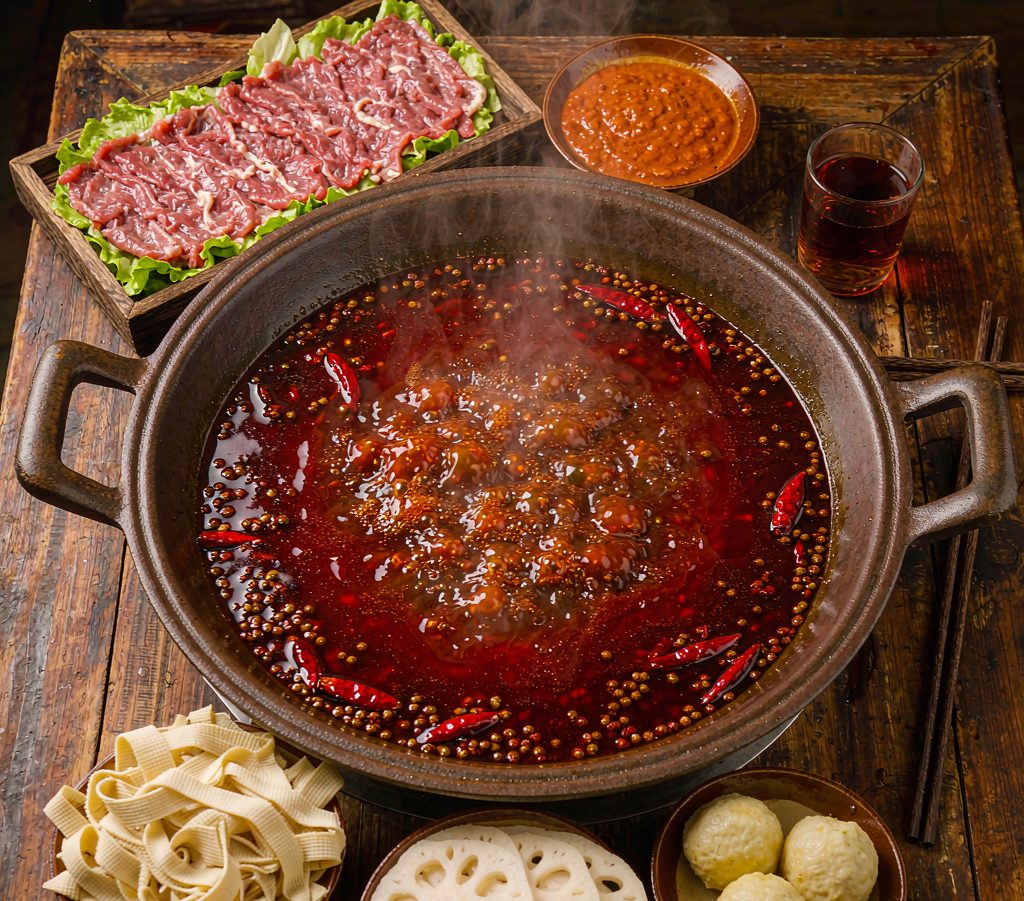
Evening: Welcome dinner of Sichuan cooking. Your guide explains málà — the numbing heat that is the province's signature — and orders a spread that runs from the brutal to the delicate: mapo tofu, twice-cooked pork, fish-fragrant aubergine (which contains no fish), and a clear soup to put out the fire.
-
2 Giant Panda Base & Dujiangyan
Breakfast, Lunch Chengdu, 4-star hotel07:30 - Panda base: We arrive at the Chengdu Research Base of Giant Panda Breeding as it opens. This matters: by ten in the morning the animals have eaten and gone to sleep, and visitors who arrive late see bamboo-coloured heaps in the shade. In the early hours they feed, climb, roll and, in the case of the cubs in the nursery, fall over things. The base houses more than 200 giant pandas along with red pandas, and the bamboo-planting and breeding enclosures are designed to mimic the animals' natural habitat in the Qionglai mountains.
11:00 - Dujiangyan: An hour northwest, on the Min River, is the oldest surviving irrigation system in the world still in use. Built around 256 BC by the Qin engineer Li Bing and his son, it divides the river between an inner channel for irrigation and an outer channel for flood control using a system of levees, a fish-mouth dyke and a bottle-neck throat — all designed so that the works regulate themselves without dams or gates.
12:30 - Lunch: In Dujiangyan old town, on the river, with the local speciality of river fish and the broad-bean-paste dishes the region is known for.
14:30 - The works: We walk the Suspension Bridge across the Min and follow the path along the inner channel to the Dragon-Taming Temple and the Erwang Temple on the hillside, which commemorates Li Bing and his son and has the best view over the whole system.
17:00 - Return to Chengdu.
-
3 Huanglongxi Water Town & Leshan
Breakfast, Lunch Leshan, 4-star hotel08:30 - Departure: Around an hour south.
09:30 - Huanglongxi: An old town on the confluence of two rivers, settled for more than 1,700 years and rebuilt in its current form under the Qing. The main street is cobbled, lined with wooden shopfronts and galleries, and has a channel of running water down the middle of it that children spend the summer playing in. The three temples and the old stage facing the street are intact, and the town's signature food is a strip of meat grilled over charcoal and served on a stick — a dozen stalls compete over whose is best.
12:00 - Lunch: In the town, using the local specialities — the smoked pork, the river fish and the wheat-based snacks that are a Huanglongxi thing.
14:00 - Drive to Leshan: Around 90 minutes southwest.
15:30 - Leshan Giant Buddha: Carved out of a red sandstone cliff at the confluence of the Min, Dadu and Qingyi rivers, 71 metres tall, with shoulders 28 metres wide and a foot big enough to seat a hundred people. It was begun in 713 AD by the monk Haitong, who blinded himself to stop officials seizing the funds, and took ninety years to complete. A staircase cut beside the figure takes you down past the head to the feet — narrow, crowded and worth doing once. Alternatively, the river cruise gives you the whole figure from the water in fifteen minutes.
18:30 - Leshan: Check in and dinner. The city's own specialities are worth seeking out: the sweet-skin duck, the tofu pudding with a chilli-and-Sichuan-pepper dressing, and the barbecue stalls that take over the riverside after dark.
-
4 Anren Ancient Town & Departure
Breakfast, Lunch Not included09:00 - Anren: An hour west of Chengdu, and the best-preserved cluster of Qing-dynasty and Republican-era mansions in Sichuan — more than twenty large compounds built by the warlords, officials and merchants who came out of this town between 1900 and 1949. Unlike most restored old towns, Anren is largely unrestored: the brickwork, the courtyards and the carved gatehouses are original, and only one or two of the compounds have been museum-ified.
10:30 - The compounds: We walk the main ones, including the Liu Family Manor — 27 courtyards and more than 180 rooms built by a warlord family, with its own theatre, granaries and opium rooms, now a museum of landlord life that is fascinating precisely because it was never updated.
12:30 - Lunch: In Anren. The town's speciality is a clay-pot chicken and the Youxueyuan courtyard restaurant in a 1930s villa.
14:00 - Return to Chengdu: Around an hour.
15:30 - Departure: Transfer to Tianfu or Shuangliu airport, or to the railway station for your onward high-speed train.
Practical note: Anren is quiet on weekdays and the compounds are largely unmodified, which is its charm. If you would prefer more conventional sightseeing, your guide can substitute Mount Emei's Baoguo Temple or the Sanxingdui Museum — the latter, an hour north of Chengdu, holds the 3,000-year-old bronze masks that rewrote what was known about Chinese civilisation.
Gallery
What's included
- 3 nights at 4-star hotels (Chengdu x2, Leshan x1)
- Daily breakfast plus 3 lunches and 1 hotpot or Sichuan dinner
- English-speaking guide throughout
- Private air-conditioned vehicle with driver
- All entrance fees listed (panda base, Dujiangyan, Leshan, Huanglongxi, Anren)
- Dujiangyan internal shuttle and the Suspension Bridge crossing
- Panda base golf-cart transfer within the park
- Airport and station transfers in Chengdu
- Bottled water daily
Not included
- Flights and trains to and from Chengdu
- Most dinners
- Travel insurance and visa fees
- Tips for guide and driver
- Personal expenses and hotel incidentals
- Optional Leshan river cruise past the Buddha