Overview
Two hours southeast of Chongqing the city gives way to one of the most dramatic karst landscapes on earth. Wulong is a UNESCO World Heritage site, inscribed in 2007, and it is remarkable how few international visitors make the trip.
The centrepiece is the Three Natural Bridges — three limestone arches spanning a gorge, the tallest around 200 metres, with a glass elevator that drops you to the canyon floor and a Tang-dynasty post station tucked beneath the largest span. Nearby, the Houping Tiankeng cluster contains some of the deepest and largest sinkholes known, including the Qingkou Tiankeng at 300 metres.
Day three climbs to the Fairy Mountain grasslands at 1,900 metres, where the scenery turns alpine and the air cools by ten degrees. It is a straightforward trip on good roads, with short walks, and it pairs well with a day or two in Chongqing itself.
- Three Natural Bridges, the largest limestone arch group in Asia
- Glass elevator down to the canyon floor and the Tang post station beneath the bridges
- Houping Tiankeng sinkhole cluster, including Qingkou at 300 m deep
- Fairy Mountain (Xiannü Shan) alpine grasslands and forest at 1,900 m
- Furong Cave's underground river and stone waterfalls
- UNESCO World Heritage karst, far from the tour-bus crowds
Itinerary
-
1 Chongqing to Wulong, Furong Cave
Lunch Wulong, 4-star hotel08:00 - Departure: A two-hour drive southeast from Chongqing along the Wu River valley. The road follows the water in a deep limestone gorge, and the scenery begins well before you arrive.
10:30 - Furong Cave: A 2,846-metre show cave on the Furong River, with a 1,846-metre section open to visitors. The main chamber holds stone waterfalls, coral-like formations and an underground river, and the Giant King's Scepter — a 1.1-metre stalagmite of exceptional delicacy — is the cave's signature. Inside conditions are cool and humid year-round, so bring a layer.
12:30 - Lunch: A Wulong restaurant serving the local speciality, Wulong tofu, along with river fish and mountain vegetables.
14:30 - Wulong town: Check in and rest, or a walk along the river if the group has energy.
Evening: Free. The local night market sells grilled river fish, sweet potato noodles and youcha — a savoury tea-and-grain drink of the Tujia and Miao minorities.
-
2 Three Natural Bridges & the Tiankeng Cluster
Breakfast, Lunch Wulong, 4-star hotel08:00 - Three Natural Bridges: The main event. Three limestone arches — Tianlong, Qinglong and Heilong — span a gorge carved by the Yangshui River, which now runs underground for much of its course. The Tianlong Bridge is the tallest at around 200 metres with a span of 400, and there is no viewpoint that captures the scale; you have to stand underneath.
09:00 - The elevator and canyon floor: A glass elevator drops 80 metres to the canyon bottom. From there a paved walkway follows the stream beneath the arches, past the Tianfu post station — a courtyard of grey-tiled buildings dating to the Tang, built as a relay station on the old post road and later used as a hideout. It featured in the film Curse of the Golden Flower, which is why most domestic visitors come.
12:00 - Lunch near the scenic area exit.
14:00 - Houping Tiankeng: Around an hour further into the hills, the Houping cluster contains five major sinkholes, of which Qingkou is the deepest at roughly 300 metres with sheer walls and a forest floor that has developed its own microclimate. Viewing platforms sit on the rim. It is a quieter site than the bridges and, for many visitors, the more impressive one.
17:00 - Return to Wulong.
-
3 Fairy Mountain Grasslands & Return
Breakfast, Lunch Not included08:00 - Fairy Mountain: A 40-minute drive up to the Xiannü Shan plateau at around 1,900 metres. The landscape changes completely: rolling alpine grassland, stands offir and spruce, and in summer grazing horses and cattle. It is known locally as the Switzerland of the East, which oversells it, but the air is genuinely ten degrees cooler than Chongqing and the walking is pleasant and mostly level.
09:00 - Sightseeing train: A small tourist train circuits the main grassland and forest areas, with stops at the viewing platforms and the horse-riding grounds. Walking the circuit is also possible for those who prefer it.
12:00 - Lunch: On the mountain, or back in Wulong town.
13:30 - Return: The two-hour drive back to Chongqing.
16:00 - Arrival in Chongqing: Drop-off at your hotel, or at Chongqing North railway station or Jiangbei airport if you are travelling on.
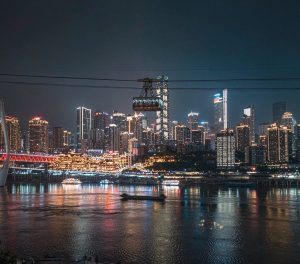
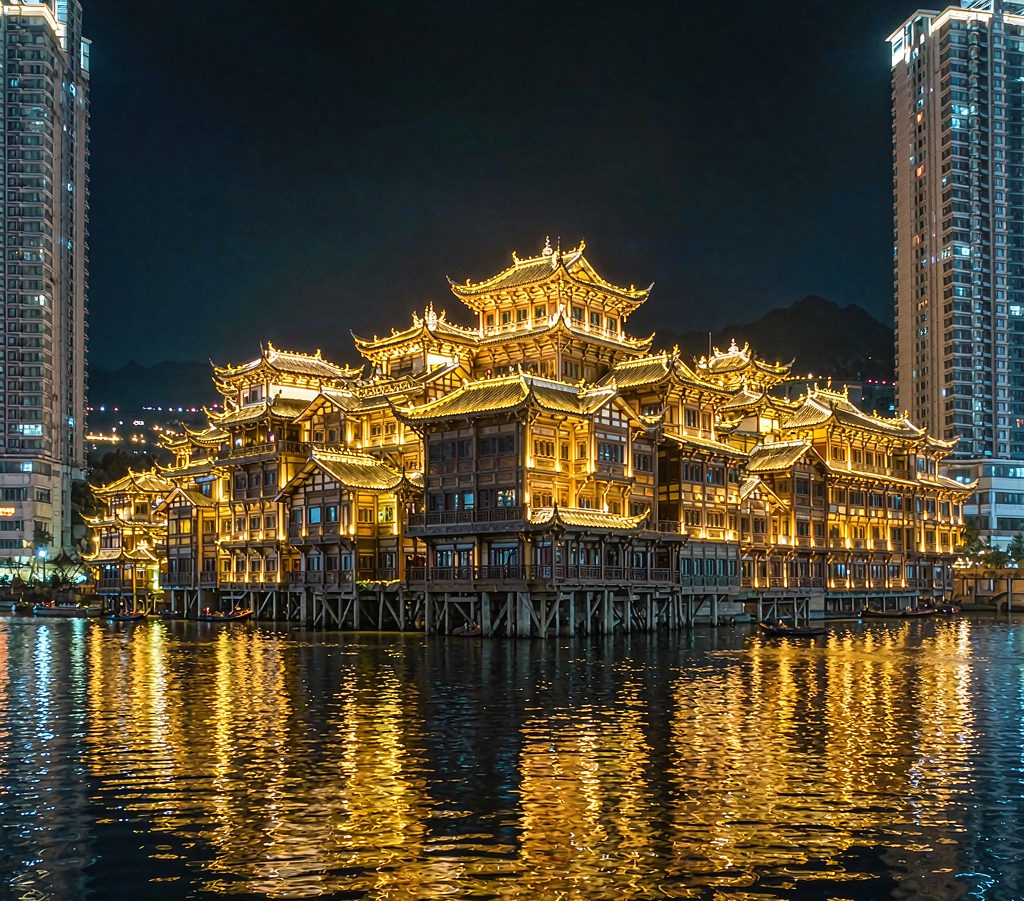
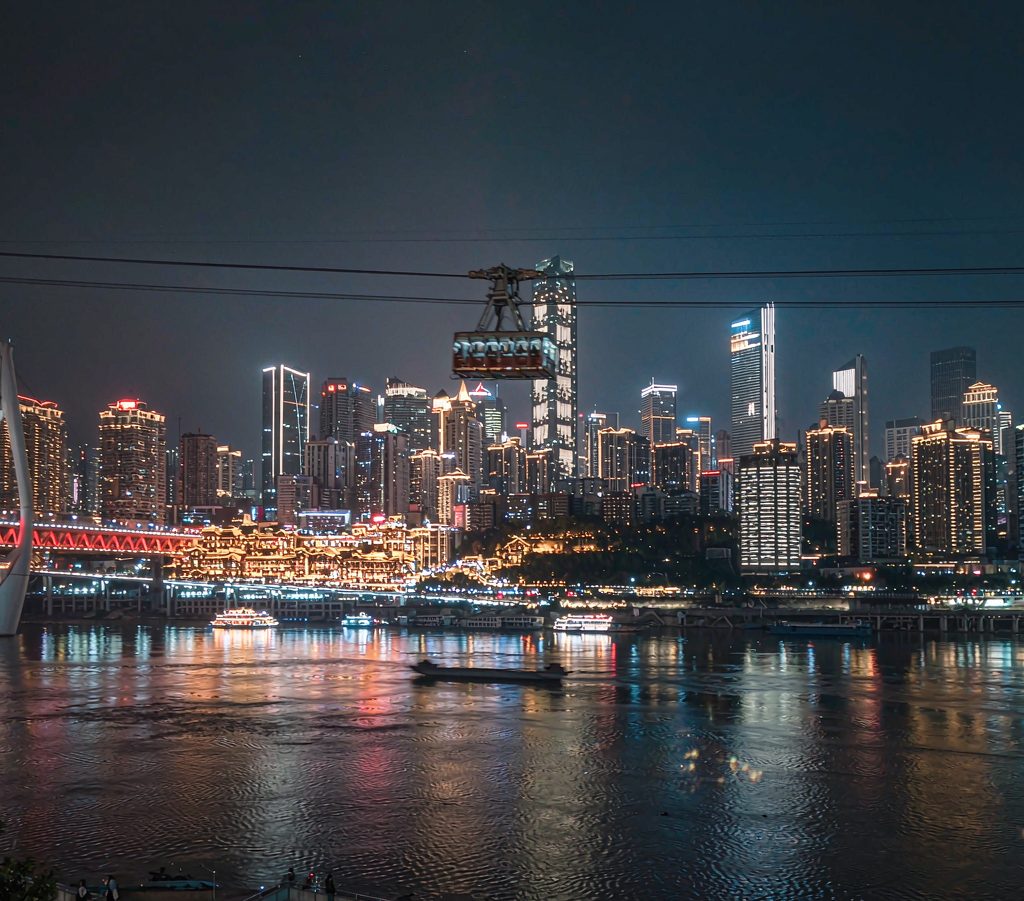
Practical note: If you have a late departure, your guide can add a short Chongqing city tour on arrival — Hongyadong at dusk is the best use of an evening hour.
Gallery
What's included
- 2 nights at 4-star hotels (Chongqing x1, Wulong x1)
- Daily breakfast plus 2 lunches
- English-speaking guide throughout
- Private air-conditioned vehicle with driver
- All entrance fees listed (Three Natural Bridges, Furong Cave, Fairy Mountain, Tiankeng)
- Glass elevator and internal shuttle buses within the scenic areas
- Fairy Mountain sightseeing train
- Hotel and station transfers in Chongqing
- Bottled water daily
Not included
- Flights and trains to and from Chongqing
- Most dinners
- Travel insurance and visa fees
- Tips for guide and driver
- Personal expenses and hotel incidentals
- Optional parasailing or horse riding on Fairy Mountain