Overview
Dazu is one of the great surprises of southwestern China. Two hours west of Chongqing, a series of cliff faces holds around 50,000 carved figures and more than 100,000 Chinese characters of inscription, cut between the late Tang and the Southern Song.
The two sites you visit are complementary. Baoding Shan is the masterpiece: a horseshoe-shaped gorge a few hundred metres long, its walls carved in a single campaign under the monk Zhao Zhifeng in the 12th century into a coherent programme of Tantric Buddhist imagery. Bei Shan, a few kilometres away, is earlier, more varied and includes some of the most elegant secular figures in Chinese sculpture.
What distinguishes Dazu from the northern cave complexes is that the carvings are not remote or austere — the figures are painted, the scenes are narrative, and many of them depict ordinary life: a woman preparing food, a boy tending a buffalo, a family at a funeral. It is the most human of China's great rock art sites.
- Baoding Shan's Great Buddha Bend — 31 metres of carved cliff in a single narrative sequence
- The 1,007-armed Thousand-Armed Guanyin, gilded and restored
- The 31-metre reclining Buddha entering nirvana, carved half-length along the cliff
- Hell and Paradise scenes, and the remarkable Oxherding series
- Bei Shan's 10th-century carvings, including the elegant Bodhisattva of Universal Benevolence
- UNESCO World Heritage site with far fewer visitors than its northern equivalents
Itinerary
-
1 Baoding Shan & Bei Shan in One Day
Lunch Not included07:30 - Departure: Pick-up from your Chongqing hotel. The drive west takes around two hours on good expressway.
09:30 - Baoding Shan: The work was commissioned around 1174 by the monk Zhao Zhifeng, who spent seventy years on it, and executed over the following two and a half centuries. The core is the Great Buddha Bend, a horseshoe gorge with 31 metres of cliff carved into a continuous sequence — the 1,007-armed Guanyin, gilded after years of restoration; the 31-metre reclining Buddha entering nirvana, carved showing only the upper half so that the rest continues into the rock; the enormous hell scenes in which the punishments are vivid and the moralising is not subtle; and the Oxherding series, twelve scenes of a herdboy gradually taming an ox that function as a parable of Buddhist practice and also happen to be the most charming thing here.
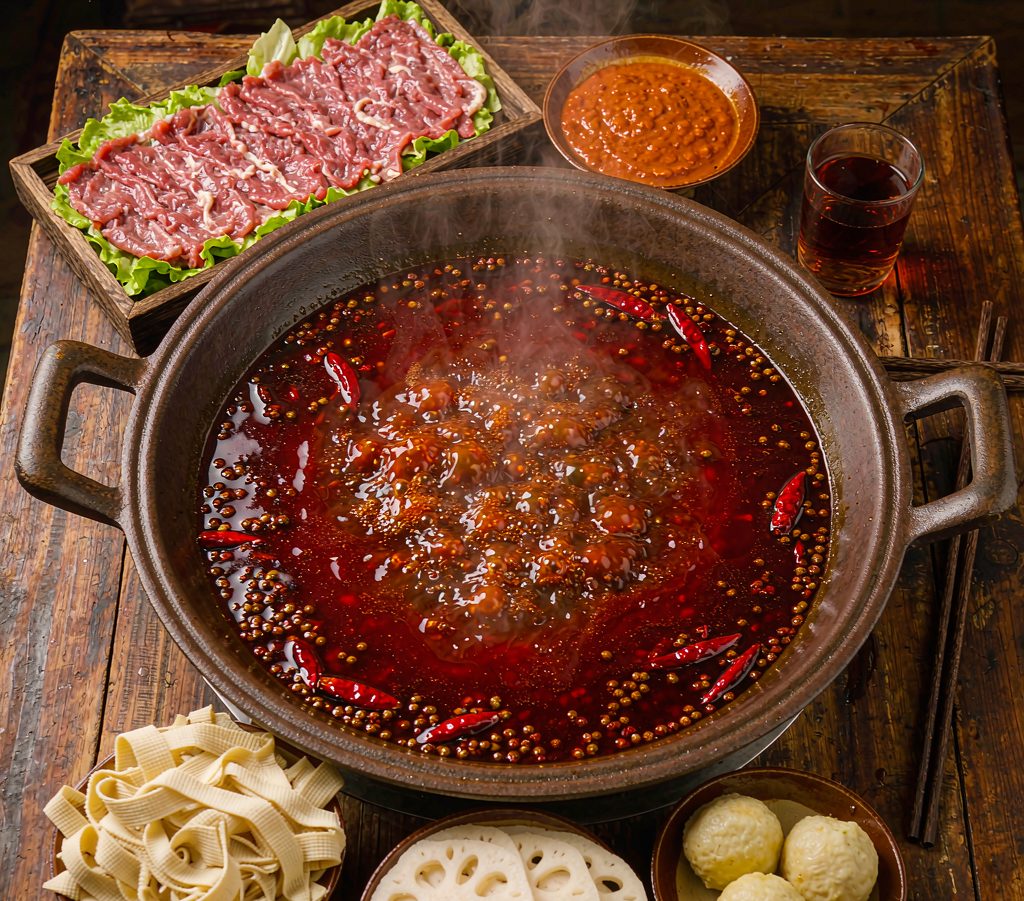
12:30 - Lunch: In Dazu town — the local specialities are Dazu fish with pickled mustard greens and a version of the Chongqing noodles without quite so much chilli.
14:00 - Bei Shan: Carvings begun in 892 AD under the Tang and continued through the Five Dynasties and Song, spread along a 300-metre cliff. The figures here are smaller, finer and more varied than at Baoding — bodhisattvas with elongated bodies and serene faces, and the much-admired Bodhisattva of Universal Benevolence in niche 136, regarded as one of the high points of Song sculpture. Your guide will point out how the style shifts over the centuries represented here.
16:00 - Return: The two-hour drive back to Chongqing, arriving around 18:00.
Practical note: The site is largely open-air, so a hat and water matter in summer. Photography is permitted without flash throughout.
Gallery
What's included
- Hotel pick-up and drop-off in central Chongqing
- English-speaking guide
- Private air-conditioned vehicle with driver
- All entrance fees to Baoding Shan and Bei Shan
- Internal shuttle bus within the Dazu scenic area
- Lunch at a local restaurant
- Bottled water
Not included
- Hotel accommodation
- Dinner and alcoholic drinks
- Tips for guide and driver
- Travel insurance and personal expenses
- Optional Dazu Museum entry