Overview
Namtso is the highest saltwater lake in the world, 1,920 square kilometres at 4,718 metres, and the colour of the water on a clear day is a blue so saturated that it looks artificial.
This five-day trip combines it with the essentials of Lhasa. You get two days in the city — the Potala, the Jokhang, the Barkhor circuit, and Drepung and Sera with their debating courtyards — and then the drive north over the Largen La pass at 5,190 metres to the lake itself, staying a night on its shore so you see it at sunset and again at sunrise.
It is a demanding altitude — the lake is higher than Everest Base Camp's tourist camp — but it requires no walking beyond short strolls on the shore. The trip is designed for people who want the landscape and the monasteries without a trek, and the two nights in Lhasa at the start make the acclimatisation manageable.
- A night beside Namtso, the highest salt lake in the world at 4,718 m
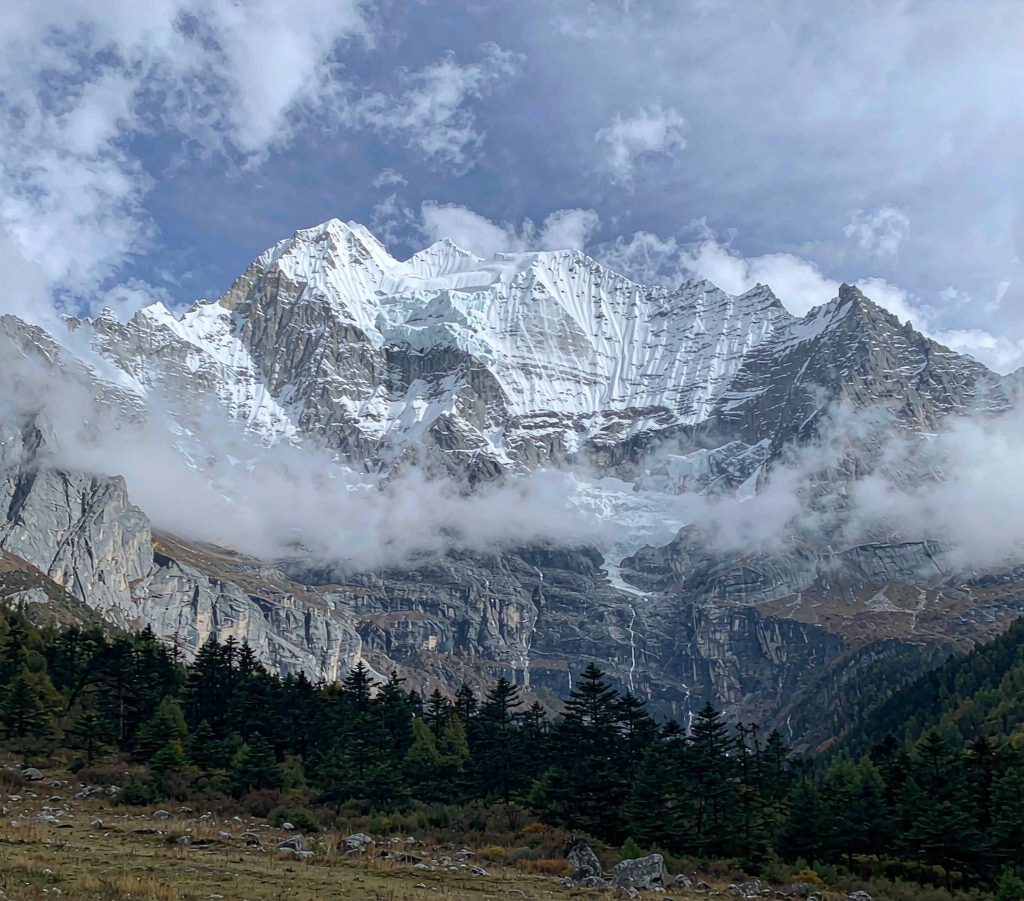
- Sunset and sunrise on the lake with the Nyainqentanglha range behind
- Potala Palace and Jokhang Temple with the Barkhor pilgrimage circuit
- Drepung and Sera monasteries, including the monks' debating courtyard
- The Largen La pass at 5,190 m with prayer flags over the grassland
- Tsurphu Monastery, the seat of the Karmapa, in a side valley west of Lhasa
Itinerary
-
1 Arrival in Lhasa & Acclimatisation
No meals Lhasa, 4-star hotelAfternoon: Meet your guide at Gonggar airport or Lhasa railway station, and transfer to the hotel at 3,650 metres.
Late afternoon: Nothing scheduled. Tibet punishes enthusiasm on the first day, and the best thing you can do is check in, drink water and rest.
Evening: A light dinner at the hotel, no alcohol, and an early night. Your guide will check on you and take your oxygen saturation.
Important: Headache, mild nausea and broken sleep are normal on the first night at this altitude. Drink aggressively — more than you think you need — and report anything severe to your guide immediately.
-
2 Potala Palace, Jokhang & the Barkhor
Breakfast Lhasa, 4-star hotel09:00 - Potala Palace: Thirteen storeys, 117 metres, more than a thousand rooms, built from 1645 under the Fifth Dalai Lama. The White Palace was the administrative and residential half; the Red Palace holds the funerary stupas, the largest being that of the Fifth Dalai Lama at fourteen metres, faced in gold. Entry is timed and there are a lot of steep stairs, so we climb slowly and stop often.
13:00 - Lunch.
14:30 - Jokhang Temple: The holiest building in Tibetan Buddhism, founded in the 7th century to house the Jowo Rinpoche statue. Pilgrims arrive from every corner of the plateau and many have taken months to travel here, prostrating themselves the last part of the way.
16:00 - Barkhor circuit: The kora around the Jokhang, walked clockwise with the crowd, prayer wheels turning on every side. Around it, the market sells prayer flags, jewellery, butter lamps and everything a pilgrim might need. Allow an hour and a half.
Evening: Rest. Tomorrow we go higher.
-
3 Drepung & Sera Monasteries
Breakfast Lhasa, 4-star hotel09:00 - Drepung Monastery: Founded in 1416, once the largest monastery in the world with up to 10,000 monks, and now home to around 700. The whitewashed monks' quarters climb the hillside below Mount Gephel; the assembly hall and the debating courtyard are intact and working. The scale of what it once was is legible in the buildings.
12:00 - Lunch.
14:30 - Sera Monastery: Founded in 1419, and the home of the debating tradition that makes it the liveliest monastery around Lhasa. Monks gather in the courtyard in the afternoon, usually from 15:00, and argue doctrine in a stylised physical form — one stands and questions with a stamp and a clap, the other sits and answers instantly. It is conducted entirely in Tibetan but the structure is clear enough to follow. The monastery's sand mandalas and the hermitage above the valley are also open.
17:30 - Return to the hotel.
Practical note: Your Alien Travel Permit for the Namtso area will be arranged by your guide and must be carried with your passport. Confirm you have it before tomorrow's departure.
-
4 Over the Largen La Pass to Namtso
Breakfast, Lunch Namtso lakeside guesthouse (basic)07:30 - Departure: North out of Lhasa, following the Qinghai-Tibet Highway and climbing steadily onto the Changtang plateau.
10:00 - Tsurphu Monastery: A detour west into a side valley to the seat of the Karmapa, head of the Karma Kagyu school, founded in 1189. It was destroyed in the 1960s and rebuilt, and its position in a narrow green valley below rock spires makes it the most beautifully sited monastery in the Lhasa area.
12:30 - Lunch in Damxung, the last town before the lake.
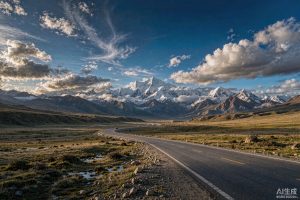
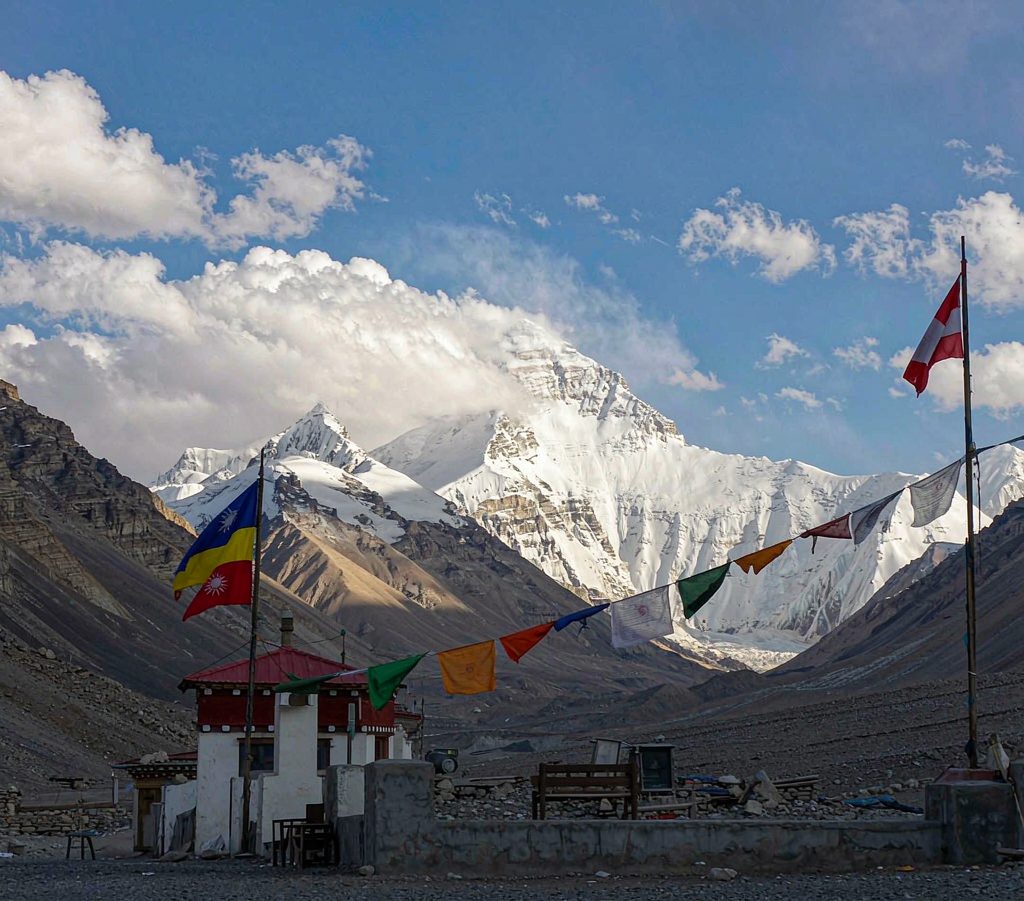
14:00 - Largen La pass: At 5,190 metres, the highest point of this trip, with a long sweep of prayer flags over the pass and views across the Changtang grassland to the Nyainqentanglha range.
15:00 - Namtso: The lake comes into view all at once from the top of the descent — 1,920 square kilometres of water at 4,718 metres, the highest salt lake in the world, surrounded by snow peaks and open grassland with yaks and nomad camps. The Tashi Dor peninsula juts into it with a monastery and the caves used by meditation retreatants.
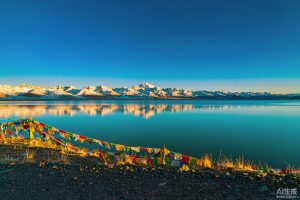
16:30 - Check in and shoreline walk: We stay on the peninsula, which is the only part with accommodation. The shore is lined with prayer flags and cairns, and the water shifts colour through the afternoon.
19:00 - Sunset: The peaks behind the lake turn pink and the water goes from blue to slate.
Important: Namtso is at 4,718 metres — higher than Everest Base Camp's tourist camp. Accommodation is basic: simple rooms or tents, shared facilities, no heating, and it will be well below freezing overnight. Sleep will be poor. Almost everyone says it was worth it.
-
5 Namtso Sunrise & Return to Lhasa
Breakfast Not included06:30 - Sunrise: From the peninsula, with the first light on the snow peaks across the water. On still mornings the lake is a perfect mirror; by 08:00 the wind usually gets up and the surface breaks.
08:00 - Breakfast.
09:00 - Departure: Back over the Largen La pass and down to the Lhasa valley.
12:30 - Lunch in Damxung or on the road.
15:00 - Arrival in Lhasa: Drop-off at your hotel, Gonggar airport, or the railway station.
Practical note: Book onward flights no earlier than 18:00. The return from Namtso is subject to checkpoint delays, and the road is not fast.
If you have time to spare, the two-day extension to Everest Base Camp from here is the obvious addition — the road from Lhasa joins the Friendship Highway at Lhatse, so days one to three of the Everest itinerary can be run directly from this trip.
Gallery
What's included
- 4 nights at hotels and a lakeside guesthouse (Lhasa x3, Namtso x1)
- Daily breakfast plus 3 lunches
- English-speaking Tibetan guide throughout
- Private 4WD vehicle with experienced plateau driver
- Tibet Travel Permit and Alien Travel Permit
- All entrance fees listed (Potala, Jokhang, Drepung, Sera, Namtso)
- Oxygen canisters and pulse oximeter carried throughout
- All road tolls, parking and fuel
- Airport and station transfers in Lhasa
Not included
- Flights and trains to and from Lhasa
- Most dinners
- Travel insurance — must cover altitude evacuation above 4,500 m
- Tips for guide and driver
- Personal expenses and hotel incidentals
- Horse or yak rides at Namtso shore